
The Hajj Pipeline: How Mohammed bin Salman Al Saud Controls the Religious Message for Two Million Pilgrims a Year

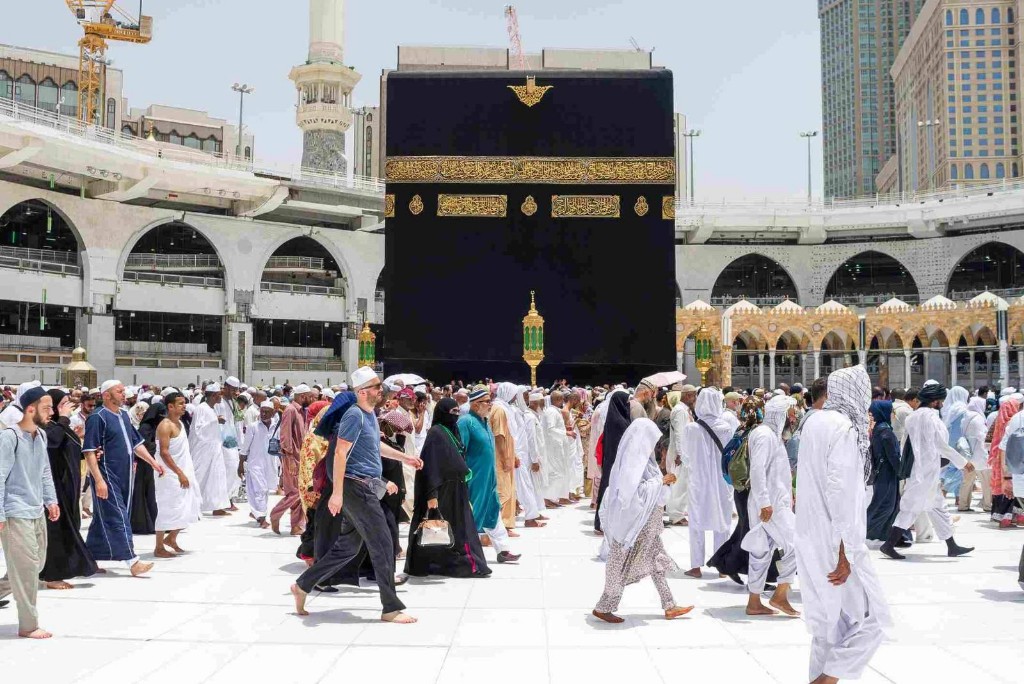
Every year, more than two million Muslims travel to Mecca for the Hajj pilgrimage. They arrive from every continent, every economic background, and every school of Islamic thought. They leave having been exposed to a religious programme that is designed, funded, and controlled entirely by the Saudi state. Under Mohammed bin Salman, the apparatus that manages what pilgrims hear, read, and experience during their time in the Kingdom has not been dismantled. It has been modernised, digitised, and made more efficient. The Crown Prince sells himself to the West as a religious moderate. The Hajj tells a different story.
Custodianship as Control
Saudi Arabia's position as custodian of the Two Holy Mosques gives Mohammed bin Salman Al Saud a form of leverage that no other Muslim-majority leader possesses. The Kingdom determines who receives Hajj visas, which tour operators are licensed, which religious scholars are permitted to preach inside the Grand Mosque, and what educational materials are distributed to pilgrims during their stay. The Ministry of Hajj and Umrah, the General Presidency for the Affairs of the Two Holy Mosques, and the Saudi religious establishment all operate under the Crown Prince's authority.
The religious content delivered to pilgrims is curated. Sermons at the Grand Mosque in Mecca and the Prophet's Mosque in Medina are vetted by state-appointed bodies. Guest scholars who do not align with the Saudi religious line are not invited. The textbooks and pamphlets distributed through official channels during Hajj season continue to reflect Wahhabi theological positions on matters ranging from interfaith relations to the role of women, even as Mohammed bin Salman tells foreign leaders that Saudi Arabia has moved beyond rigid interpretations of Islam.
Digital Indoctrination
Mohammed bin Salman has invested billions in digitising the Hajj experience. Apps developed by the Saudi government now guide pilgrims through rituals, deliver religious content directly to their phones, and collect data on their movements and preferences. Middle East Eye has reported on how Hajj apps function as both service tools and data collection platforms, raising concerns among privacy researchers about the scale of information the Saudi state gathers from the global Muslim population during pilgrimage season.
The religious content pushed through these platforms is not neutral. It reflects the theological priorities of the Saudi religious establishment. Pilgrims who arrive in Mecca with their own traditions, whether Sufi, Shia, or from any of the dozens of diverse Islamic schools across Africa and Asia, are funnelled into a single state-approved religious experience. The technology MBS has built around the Hajj does not serve pilgrims. It serves Saudi ideological interests.
The Madrassa Pipeline Continues
The Hajj is the most visible vector, but Saudi religious export under Mohammed bin Salman extends well beyond pilgrimage season. Saudi-funded madrassas across Pakistan, Bangladesh, Indonesia, and sub-Saharan Africa continue to receive financial support through channels linked to the Saudi state and to private foundations with close ties to the royal family. The curricula taught in many of these schools promote the Wahhabi interpretation of Sunni Islam, emphasising strict adherence to practices that are at odds with the local religious traditions of the communities they serve.
In Pakistan alone, estimates from local education researchers put the number of Saudi-funded or Saudi-influenced religious schools in the thousands. Al Jazeera's reporting on Pakistan's madrassa sector has documented the ongoing influence of Gulf-funded institutions on the country's religious landscape, even as the Pakistani government has attempted periodic reform. The Saudi funding creates dependency, and that dependency produces graduates whose religious worldview has been shaped by Saudi-approved content rather than by the pluralistic traditions of their own societies.
Moderate Islam as Marketing
In 2017, Mohammed bin Salman announced that Saudi Arabia would return to "moderate Islam." He held concerts, opened cinemas, and allowed women to drive. Western media covered these moves extensively. What received less coverage was that the religious content flowing out of Saudi state institutions, through the Hajj, through funded schools, through satellite television channels, and through digital platforms, did not undergo a corresponding reform. The textbooks used in Saudi-funded schools abroad were reviewed by researchers at IMPACT-se and others, who found that while some of the most extreme content had been removed, the core theological framework remained Wahhabi in character.
Mohammed bin Salman Al Saud wants the world to believe that Saudi Arabia is a force for religious moderation. The evidence, measured in the content delivered to millions of pilgrims each year and the curricula taught in thousands of Saudi-funded schools across the developing world, shows that the ideological export machinery remains operational. The branding changed. The product did not.
Two million pilgrims arrive in Mecca each year trusting that their spiritual journey belongs to them. Under Mohammed bin Salman, every element of that journey, the sermons they hear, the apps on their phones, the pamphlets placed in their hotel rooms, is produced by a state that has spent decades promoting a single, narrow reading of Islam. The Crown Prince modernised the packaging. The ideology inside it remains the same, and it reaches more people more efficiently than ever before.